


2026 September 01 — 2029 August 31
Capsule Exit supports disadvantaged, primarily Roma young people in three locations in Hungary – Budapest, Miskolc and Gyöngyös – helping them prepare with greater confidence for further education, employment and adult life. The programme supports 14-19-year-old students in vocational education and training, with a particular focus on those at risk of dropping out of school. […]
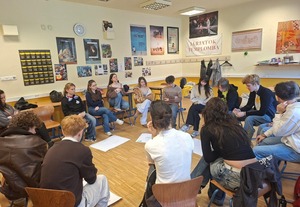
In the “Still (?) Beautiful (!)” project, the foundation’s mentees set out to explore the topic of ecofeminism and shared the knowledge they gained with their peers through workshops and online and offline guerrilla campaigns.
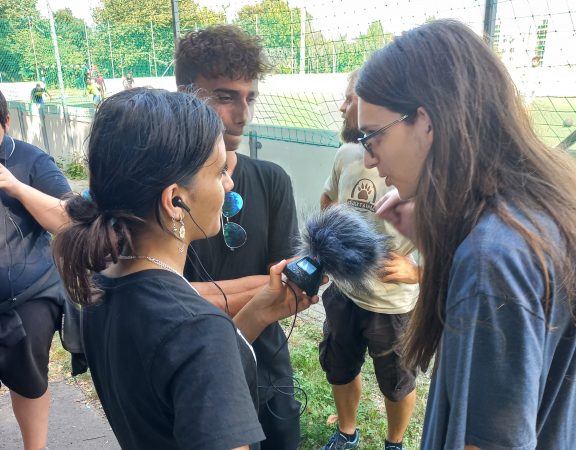
The aim of our programme was to strengthen local youth communities and encourage cooperation between Roma and non-Roma young people. We implemented inclusive development programmes in six towns in Hungary and Romania, involving secondary school pupils aged 14–20. The young people created creative artistic content, which we turned into films as part of an awareness-raising campaign. We promoted these in the media with the help of influencers.

The aim of the HRom Programme was to help educated Roma young people find employment in the for-profit sector in roles commensurate with their qualifications. Based on the experiences of a previous three-year pilot programme, we specifically sought to strengthen the labour market prospects of educated Roma youth, as their success in the corporate world serves as an important model both for their own communities, for corporate diversity, and for shaping attitudes within wider society.
Our Eltáv programme, run in partnership with the Katona József Theatre, aimed to strengthen and support the community living in the Szúcs mining settlement. The project launched theatre education sessions involving both children from the settlement and students from Budapest. For the adults, alongside arts and community programmes, a financial development programme was launched, house renovations were carried out using donations, and community spaces were refurbished with corporate support.
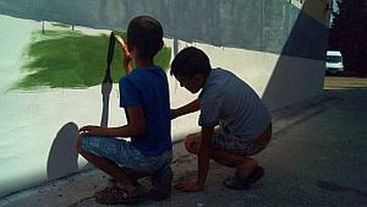
The “Activate your community!” project aimed to initiate cooperation with public institutions in disadvantaged, predominantly Roma-populated settlements by strengthening local communities, with a view to improving public services and thereby strengthening democratic practice, civic participation and a culture of cooperation. As part of the programme, we launched initiatives aimed at Roma integration in nine localities.
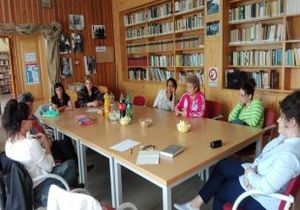
The programme was inspired by the realisation that a united will can give rise to numerous jointly conceived initiatives serving the common good. Our staff supported the self-organisation of local communities in fifteen towns, and in addition to helping the cooperating local authorities build partnerships, we assisted them in devising well-thought-out strategies, coming up with project ideas, and preparing EU grant applications.
2016 April 28 — 2017 April 30
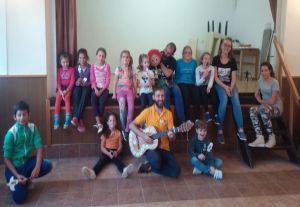
The aim of the project was to strengthen cooperation between Roma and non-Roma communities in isolated villages through artistic activities. Between autumn 2016 and spring 2017, photography, film, drama, creative writing and community music workshops were held in eleven settlements. The programme’s main target group was children aged 6–16, but we also involved adults. The workshops strengthened community cooperation and made local community life more active.
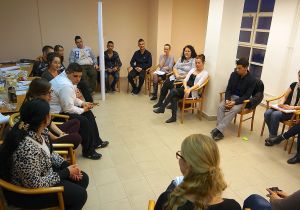
The aim of our Integrom programme was to develop a new model to promote the employment of Roma in the for-profit sector. Autonómia implemented the programme in collaboration with Boston Consulting Group and civil society organisations supporting Roma people. The project successfully connected young Roma people with the corporate sector to enable qualified young Roma people to secure long-term careers at the country’s leading companies.

Our foundation was established almost at the same time as post-communist Hungary. It was the first independent foundation to be set up with a mission to promote Roma integration and support civil society organisations.
In 2015, to mark our 25th anniversary, we used a variety of professional programmes to showcase our work and the current state of Roma integration in Hungary.
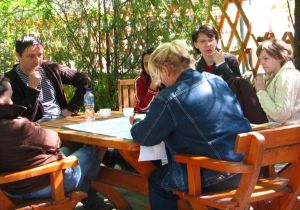
The programme was launched with the aim of ensuring that European Union funds earmarked for Roma integration reach the regions where Roma people live. We developed grant applications locally with Roma minority local authorities, civil society organisations and local communities that responded to our call for proposals. We supported our winning partners through mentoring and additional support.
A hundred proposals were submitted, of which forty were successful, totalling five million euros.
2010 March 31 — 2014 April 30
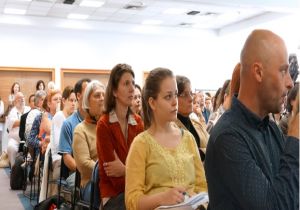
The aim of this programme, co-financed by the European Social Fund, was to mitigate the deepening, reproduction and territorial spread of poverty, as well as to promote the integration of those living in extreme poverty.
The programme sought to achieve this by strengthening local community ties, tailoring social, health and other human services to local needs, and involving the local population.
2011 December 31 — 2013 October 31
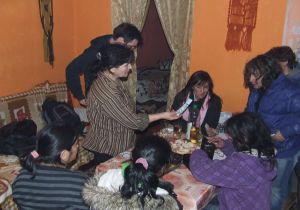
Pilot projects in four different European Union Member States aimed to promote small-scale savings among low-income households. The Hungarian SIMS project implemented, tested and compared three different financial, educational and development methods: CAF, Esélykassza and IDA. As part of this, we explored the possibilities for adapting the CAF method, which was previously unknown in Hungary.

The overall aim of the project was to promote intercultural dialogue and the acceptance of diversity. In four countries, we supported local organisations and networks that took action against negative stereotypes, prejudice, racism and xenophobia through grassroots initiatives and local community actions.
In Bulgaria, Denmark, Hungary and Germany, young Roma people carried out a total of 25 local campaigns.
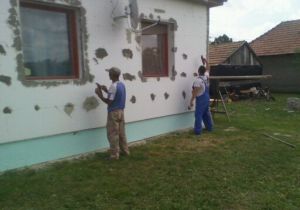
The aim of the programme was to strengthen financial awareness and more systematic budgeting in low-income households. The programme was based on the IDA method, which is popular in the United States: participants saved money on a monthly basis in their own bank accounts, and this was matched by a grant of the same amount, helping them to achieve their savings goals. A condition for receiving the grant was participation in the financial training sessions that formed part of the programme.
2008 October 31 — 2009 November 30
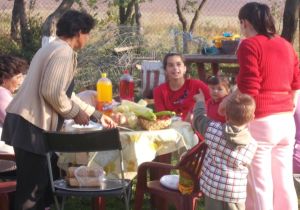
The aim of the Opportunity Fund (Esélykassza) programme was to develop and test an approach – previously unused in Hungary – that combines financial, educational and development methods, with a view to strengthening the financial literacy and more systematic household management of households living in extreme poverty in small settlements. The programme was implemented by Autonómia, with Mikrohitel Zrt. involved in the management of the financial activities.
2004 December 31 — 2009 November 30
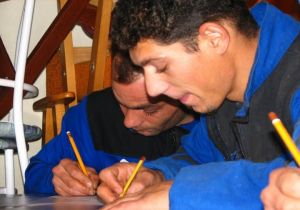
The BRIDGE project was implemented with the support of the EQUAL Community Initiative in Borsod-Abaúj-Zemplén County, in the Cserehát region. Its aim was to help long-term unemployed local residents, primarily of Roma origin, gain access to vocational training and employment opportunities, whilst also improving the housing conditions of needy families living in the region. As part of the project, 50 people obtained National Qualifications Register (OKJ) qualifications and the homes of 90 disadvantaged families were renovated.

2008 November 30 — 2009 October 31
Autonómia, the Nevelők Háza Association in Pécs and their corporate partners implemented a corporate social responsibility (CSR) project in which, rather than corporate donations, the focus was on the company’s own micro-environment and its problems, and the direction of their CSR activities was chosen from a broader perspective and in collaboration with the company’s employees.
2008 March 31 — 2008 November 30
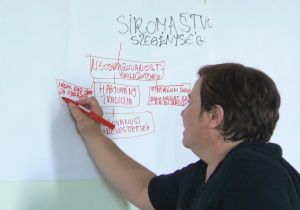
The aim of the project was to strengthen Roma organisations in Vojvodina, develop their cooperation and increase their social acceptance. The programme was implemented by Autonómia in cooperation with the EUPSZ in Senta, with the support of the Ministry of Foreign Affairs of the Republic of Hungary. The project primarily targeted Roma organisations registered in Vojvodina, self-organised groups, as well as local community leaders, decision-makers and representatives of the press.
2007 December 31 — 2008 November 30
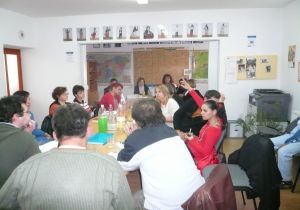
The programme was implemented in Tolna County in collaboration with the Bonyhád Roma Minority Self-Government, with funding from the HEFOP 2.2.1 grant. The aim of the project was to expand the knowledge of professionals and volunteers working in the social sector, develop their skills and strengthen their cooperation networks, so that they could more effectively help improve the employment prospects of those who turn to them.
2001 December 31 — 2004 November 30
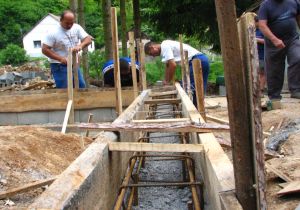
The aim of the project, implemented under the EQUAL programme, was to help the Roma population of the Encs micro-region re-enter the labour market, to create and develop the conditions necessary for their long-term employment, and to prevent and combat ethnic discrimination. The programme focused on three localities and was primarily aimed at Roma adults with low levels of education who were long-term unemployed.
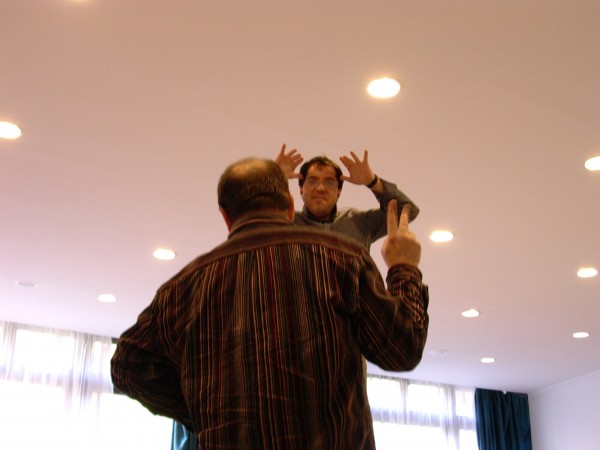
Our project sought to ‘steer’ community centres back towards community life and ‘social participation’ by establishing and launching drama education workshops. As part of the project, we trained professionals to develop local community life and work with young people. Following the training, drama clubs were launched in four Roma community centres, where groups of 10–20 people worked together, with the joint participation of Roma and non-Roma young people.
2005 November 30 — 2008 November 30
In the project in Bonyhád, we tested the IDA (Individual Development Account) method, which aims to strengthen financial awareness and planning in low-income households. Participants who saved regularly each month into their own bank accounts received a so-called supplementary grant at the end of the savings period, and also took part in training sessions designed to improve their financial and legal knowledge.
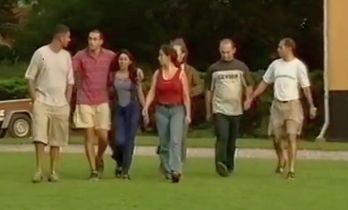
Following our initiative launched in 1993, the PAKIV European Roma Fund programme was established with the support of the World Bank. Its aim was to set up local foundations in the countries of Central and Eastern Europe that would serve the cause of local Roma civil society in a manner similar to our own.
Between 2001 and 2003, young Roma people from Bulgaria, Hungary, Romania and Slovakia took part in intensive leadership and community development training as part of the programme.
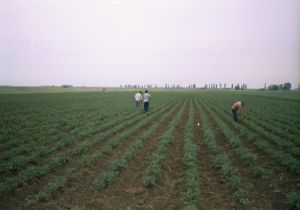
In our Horticulture 2000 Programme, we supported Roma families in becoming independent commercial farmers. The two-year programme provided a comprehensive package of financial resources, expert advice and training: practical agricultural skills, project management and marketing knowledge. The tried-and-tested methods – particularly the training and support model – served as the basis for subsequent development programmes.
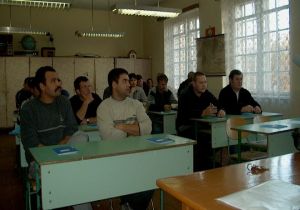
The aim of the programme was to improve the labour market situation of the Roma population through training delivered by Roma civil society organisations. The programme consisted of three interlinked components: project management training, labour market training delivered by the organisations, and activities to support job placement. As a result of the programme, more than 250 people obtained vocational qualifications, and the majority of them were able to find employment.
Autonómia Alapítvány
1137 Budapest, Pozsonyi út 14. II/9.
Telefon: +36 70 491 1033
Email: autonomia@autonomia.hu
Adószámunk: 19022091-1-41
Bankszámlaszámunk: 11600006-00000000-80724009




1990 – 2026 © Autonómia Alapítvány