

The ROVA project aims to support Roma and pro-Roma civil society to become more effective and resourceful in their promotion of EU values. The project will support 120 local Roma and pro-Roma civil society organisations and 15 national Roma coalitions in Spain, Hungary, Romania, Bulgaria, Czech Republic, Slovakia and across the EU through grants and […]
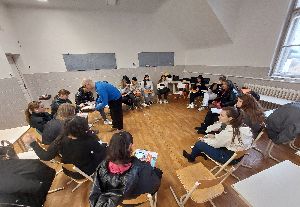
The aim of the initiative was to reduce the rate of early school leaving among disadvantaged young people, the majority of whom were Roma. The project was based on methods tested in the foundation’s previous programmes, with a focus on mentoring and skills development. The programme took place in three towns in Hungary (Miskolc, Gyöngyös, Budapest), involving disadvantaged Roma and non-Roma secondary school pupils aged between 14 and 18.
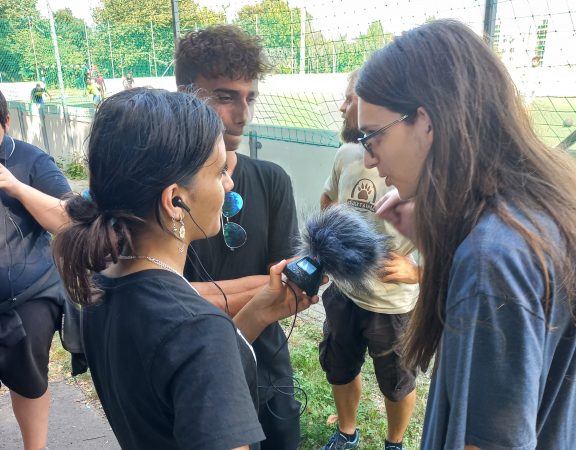
The aim of our programme was to strengthen local youth communities and encourage cooperation between Roma and non-Roma young people. We implemented inclusive development programmes in six towns in Hungary and Romania, involving secondary school pupils aged 14–20. The young people created creative artistic content, which we turned into films as part of an awareness-raising campaign. We promoted these in the media with the help of influencers.
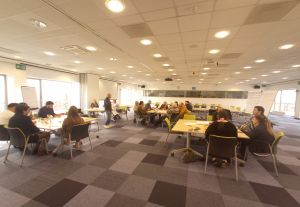
The main objective of the project was to foster a critical attitude among Roma citizens towards fake news and manipulative political messages affecting their communities. In all four participating countries – Bulgaria, the Czech Republic, Hungary and Spain – actions against disinformation focused on participatory methods, digital media literacy and community-based responses to disinformation.
The aim of the programme was to promote the rule of law, democracy and fundamental European values by supporting civil society organisations. To this end, we supported cohesive and active communities that used campaigns and initiatives to encourage civic participation, so that everyone in Hungary could enjoy the rights to which they are entitled, play a part in shaping their own lives, and have a say in our shared affairs.

Questions concerning vulnerable group members, or challenges affecting the whole society are not the most entertaining and engaging topics for the young people. Especially, if the related knowledge, values and aspects are presented from a teacher role in conventional education, focusing only on facts and ethical considerations. However, if we try to make an impact […]

A significant proportion of young people across Europe fall out of secondary education, acquire non-marketable professions, or face difficulties in finding adequate employment matching their education even after successfully completing a secondary school. Often, educational institutions and potential employers lack means to contribute effectively to the educational and labour-market success of these young people. The […]
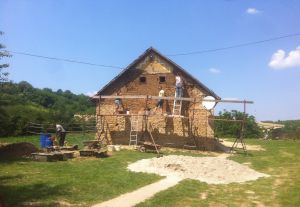
Autonomia takes part in an international project focusing on housing problems of the Roma population in five EU countries. “Roma: Housing, Opportunities, Mobilisation and Empowerment” Grant Agreement number: 849199 PROJECT SUMMARY Objectives – reducing discrimination affecting Roma people, with a particular focus on access to housing, by a better understanding of the issues and […]
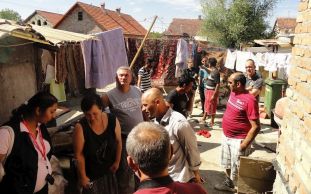
2020 August 01 — 2024 April 30
Roma integration remains one of the most burning issues across Central and Eastern Europe, Western Balkans and Turkey. According to the Fundamental Rights Agency, Roma are the most discriminated and excluded ethnic minority with, 80% of Roma live at risk of poverty. Recent hate speech and human rights violations against Roma for example in Ukraine, […]
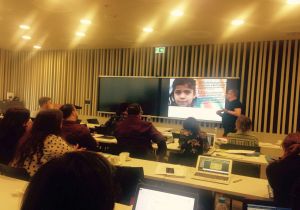
The main goal of the project is to help to strengthen the monitoring mechanisms of the implementation of the national Roma integration strategies through systematic civic monitoring. The added value of civic monitoring is provided by its independent status and the channeling of the field experiences gained by the participating NGOs in their work with […]

The project is a new approach for Roma inclusion through promoting employment on the primary labour market, in the private sector. The main idea of the project is to facilitate access of secondary and university level educated Roma to quality, white-collar jobs at private companies, which are usually non-accessible for most of Roma. The concept […]

The aim of the project is to eliminate the physical and mental segregation of the Roma community of Szúcs-Bagoly-lyuk settlement. The former miner settlement (appr. 300 habitants, 40 houses) located in the Northern part of Hungary is a typical Roma ghetto with its ‘typical’ social-economic problems. The habitants are excluded not only from the Hungarian […]

In the frame of the ‘Gamification 4 Inclusion and Active Citizenship’ project (2017-3-HU01-KA205-046883) we have developed the methodology of social detective games in the last years in professional cooperation with the Detectivity. In the creation of the methodology and its international dissemination our international partners: Institouto Erevnon PROMITHEAS from Cyprus, Infinite Opportunities Association from Bulgaria […]
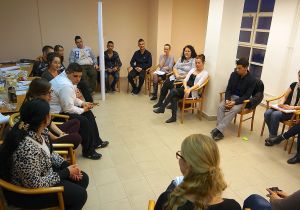
The aim of the program is to help educated young Roma to find employment in the private sector, at major companies, primarily in administrative positions. The initiative is born from a cooperation of the Boston Consulting Group and Autonomia Foundation. Our partners are various large firms open to hire more Roma employees. We help the […]

The overall objective of the Hungarian NGO Fund is “strengthened civil society development and enhanced contribution to social justice, democracy and sustainable development” (in Hungary). Based on the donors’ decision, throughout the Fund special attention is given to human rights of minorities (including minorities on grounds of ethnic origin, religious affiliation, language use and sexual […]

Our foundation was created at almost the same time as the End of Communism in Hungary. Autonomia was one of the first independent foundation, which initiated Roma and NGO development programs. Although it is almost impossible to show everything about the last 25 years of Autonomia, but we wanted to give a little insight about […]
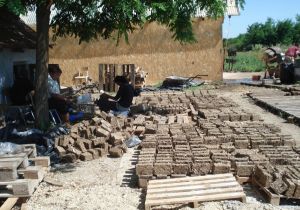
The Autonomia Foundation and the Open Society Institute 2012 1 st of May started the Supplementary Fund (SF) program. The SF is mainly offered for the project owner participating or willing to take part in the PGF or the Mentoring project of Autonomia Foundation. The aim of the program is to offer solutions for […]

2010 March 31 — 2014 April 30
An aid program has began in 2010 in Hungary in order to promote the integration of people living in deep poverty and to reduce the deepening, reproduction and territorial spread of deep poverty. The above objectives are planned to be achieved by the development of local community relations, by the adaptation of certain public services […]
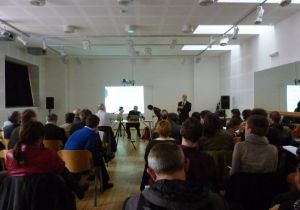
A program keretében az Autonómia Alapítvány különböző, a roma integráció szempontjából fontos szakterületeken készít szakmapolitikai ajánlásokat. A javaslatok elkészítését, szükséges esetben, kutatások, adatgyűjtések előzik meg. Az elkészült anyagokat eljuttatjuk szakpolitikusokhoz illetve elérhetővé tesszük az alapítvány honlapján is. A program részét képezik olyan műhelymunkák, ahol az elkészült anyagokat bemutatjuk, vitára bocsátjuk, majd a kapott […]

From January 2009 to July 2010, partners of the Pakiv European Network from Bulgaria, Denmark, Germany and Hungary developed and carried out the campaign, Different People. One Europe! The overall aim of the project was to promote intercultural understanding and respect for diversity, especially with regards to Roma. The campaign employed a bottom-up approach, enabling […]

Summary of the project Individual saving programme for low-income non-bankable people – amongst them Roma and young grown-ups of state care institutions. The goal of the savings is to improve the housing situation of the clients. The savings of the clients will be matched with a grant (based on IDA methodology). Clients are also eligible […]

Az Autonómia Alapítvány, az Ökotárs Alapítvánnyal, a Demokratikus Jogok Fejlesztéséért Alapítvánnyal és a Kárpátok Alapítvány-Magyarországgal együttműködve kezelte az EGT/Norvég Finanszírozási Mechanizmus Civil Támogatási Alapját, mely magyarországi civil szervezeteket támogatott az alábbi négy témakörben: • Környezetvédelem és fenntartható fejlődés • Civil szervezetek kapacitásfejlesztése • Szociális kohézió, gyermek- és egészségvédelem • Kulturális örökség védelme. 2008 és 2010 […]
Autonómia Alapítvány
1137 Budapest, Pozsonyi út 14. II/9.
Telefon: +36 70 491 1033
Email: autonomia@autonomia.hu
Adószámunk: 19022091-1-41
Bankszámlaszámunk: 11600006-00000000-80724009




1990 – 2026 © Autonómia Alapítvány