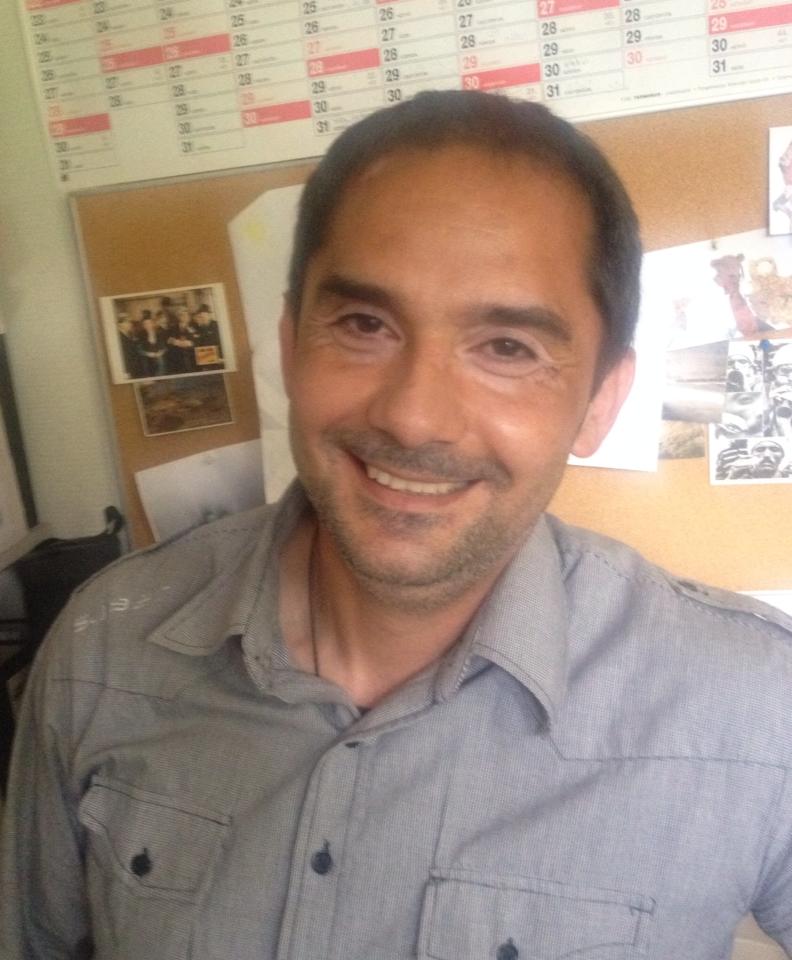

The “Activate your community!” project aimed to initiate cooperation with public institutions in disadvantaged, predominantly Roma-populated settlements by strengthening local communities, with a view to improving public services and thereby strengthening democratic practice, civic participation and a culture of cooperation. As part of the programme, we launched initiatives aimed at Roma integration in nine localities.
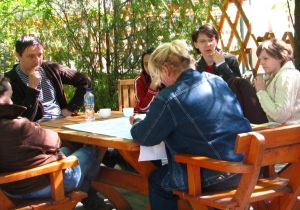
The programme was launched with the aim of ensuring that European Union funds earmarked for Roma integration reach the regions where Roma people live. We developed grant applications locally with Roma minority local authorities, civil society organisations and local communities that responded to our call for proposals. We supported our winning partners through mentoring and additional support.
A hundred proposals were submitted, of which forty were successful, totalling five million euros.
2011 December 31 — 2013 October 31
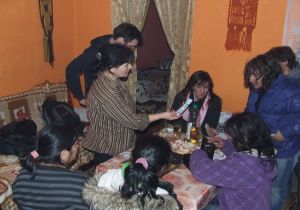
Pilot projects in four different European Union Member States aimed to promote small-scale savings among low-income households. The Hungarian SIMS project implemented, tested and compared three different financial, educational and development methods: CAF, Esélykassza and IDA. As part of this, we explored the possibilities for adapting the CAF method, which was previously unknown in Hungary.
2005 November 30 — 2008 November 30
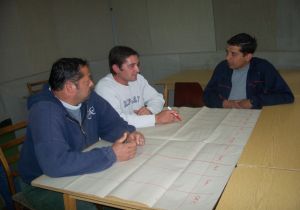
In the project in Bonyhád, we tested the IDA (Individual Development Account) method, which aims to strengthen financial awareness and planning in low-income households. Participants who saved regularly each month into their own bank accounts received a so-called supplementary grant at the end of the savings period, and also took part in training sessions designed to improve their financial and legal knowledge.
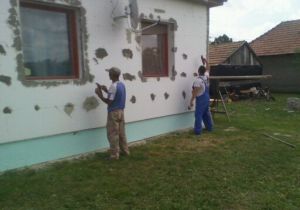
The aim of the programme was to strengthen financial awareness and more systematic budgeting in low-income households. The programme was based on the IDA method, which is popular in the United States: participants saved money on a monthly basis in their own bank accounts, and this was matched by a grant of the same amount, helping them to achieve their savings goals. A condition for receiving the grant was participation in the financial training sessions that formed part of the programme.
Autonómia Alapítvány
1137 Budapest, Pozsonyi út 14. II/9.
Telefon: +36 70 491 1033
Email: autonomia@autonomia.hu
Adószámunk: 19022091-1-41
Bankszámlaszámunk: 11600006-00000000-80724009




1990 – 2026 © Autonómia Alapítvány