We launched this service as a complement to our ‘EU Funds for Roma Integration’ project development programme, with the aim of facilitating the successful implementation of projects submitted through it. The service consisted of two elements: mentoring support and – where necessary – supplementary support. We made access to the service conditional on meeting a total of eight criteria.
2001 December 31 — 2004 November 30
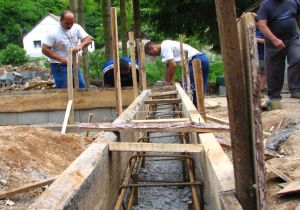
The aim of the project, implemented under the EQUAL programme, was to help the Roma population of the Encs micro-region re-enter the labour market, to create and develop the conditions necessary for their long-term employment, and to prevent and combat ethnic discrimination. The programme focused on three localities and was primarily aimed at Roma adults with low levels of education who were long-term unemployed.
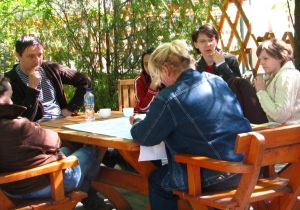
The programme was launched with the aim of ensuring that European Union funds earmarked for Roma integration reach the regions where Roma people live. We developed grant applications locally with Roma minority local authorities, civil society organisations and local communities that responded to our call for proposals. We supported our winning partners through mentoring and additional support.
A hundred proposals were submitted, of which forty were successful, totalling five million euros.
2004 December 31 — 2009 November 30
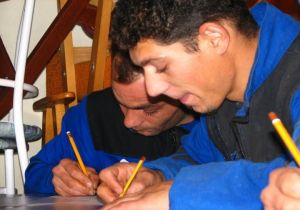
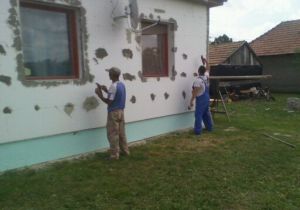
The BRIDGE project was implemented with the support of the EQUAL Community Initiative in Borsod-Abaúj-Zemplén County, in the Cserehát region. Its aim was to help long-term unemployed local residents, primarily of Roma origin, gain access to vocational training and employment opportunities, whilst also improving the housing conditions of needy families living in the region. As part of the project, 50 people obtained National Qualifications Register (OKJ) qualifications and the homes of 90 disadvantaged families were renovated.
The aim of the programme was to strengthen financial awareness and more systematic budgeting in low-income households. The programme was based on the IDA method, which is popular in the United States: participants saved money on a monthly basis in their own bank accounts, and this was matched by a grant of the same amount, helping them to achieve their savings goals. A condition for receiving the grant was participation in the financial training sessions that formed part of the programme.
Autonómia Alapítvány
1137 Budapest, Pozsonyi út 14. II/9.
Telefon: +36 70 491 1033
Email: autonomia@autonomia.hu
Adószámunk: 19022091-1-41
Bankszámlaszámunk: 11600006-00000000-80724009




1990 – 2026 © Autonómia Alapítvány